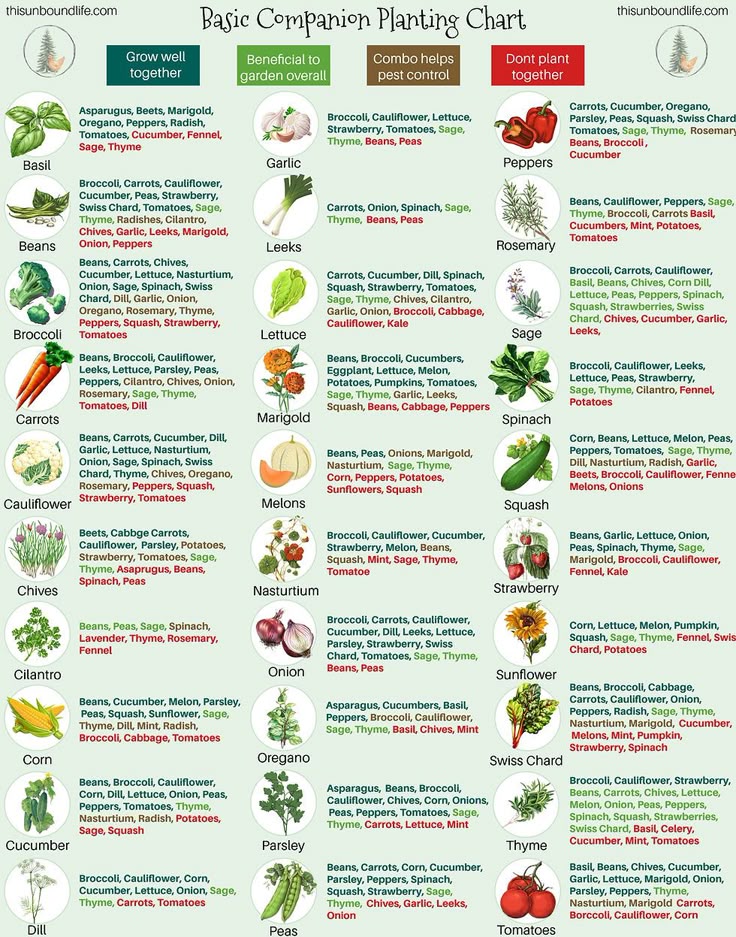
Now is the time to start planning your spring garden.
Companion planting improves garden productivity by grouping plants to naturally deter pests, boost soil nutrients, provide shade and maximize space. Key strategies include mixing herbs/flowers with vegetables to attract beneficial insects and using c]vertical, fast growing plants to support or shade others. Effective pairings, such as tomatoes with basil or marigolds, can significantly enhance plant health.
Key Benefits of Companion Planting
- Pest Control: Plants like marigolds, nastrutiums and herbs (dill, basil) repel or trap pests, protecting neighboring vegetables.
- Improved Soil: Nitrogen-fixing plants like beans and peas boost soil nutrients for nearby leafy greens.
- Space Efficiency: Interplanting fast-growing plants (lettuce, radishes) with slow-growing, large plants (tomatoes, peppers) maximizes yields in small areas.
- Structural Support & Shade: Tall crops like corn act as trellises for climbing beans, while larger plants provide shade for delicate, shade-loving crops.
Popular Companion Planting Pairings
- Tomatoes: Plant with basil (repels hornworms), marigolds (repels nematodes), carrots and onions.
- Cucumbers: Plant with radishes, dill and beans.
- Peppers: Plant with onions, basil and spinach
- Lettuce: Plant with carrots, radishes and cucumbers
- The Three Sisters: Corn, beans and squash grow together for mutual benefit (structure, nitrogen and ground cover)
Avoid These Common “Foe” Pairings
- Onions/Garlic near beans or peas (can stunt growth)
- Tomatoes/Potatoes (both attract blight)
- Dill/Fennel near carrots (can stunt growth)
- Cabbage/Tomatoes (can attract similar pests)
Tips For Success
- Pair plants with similar, non-competing needs for sun and water.
- Utilize diversity; a varied garden is less susceptible to total pest destruction.
- Plant “companion” plants within 2-3 rows of each other for maximum effect.